All Categories
Featured


The Social Function of Dining in our local towns
Table of Contents

By the middle of 2026, the definition of a neighborhood restaurant has shifted from a simple food provider to a social anchor. In an era where digital interactions often outnumber face-to-face ones, these physical spaces offer a rare opportunity for unscripted human connection. Residents in the surrounding region are finding that the local bistro or corner cafe acts as the living room of the neighborhood. This change is driven by a collective desire to return to physical spaces after years of screen-heavy living. The current year has seen a spike in people choosing to eat locally, not just for the convenience, but for the sense of belonging that these establishments provide.
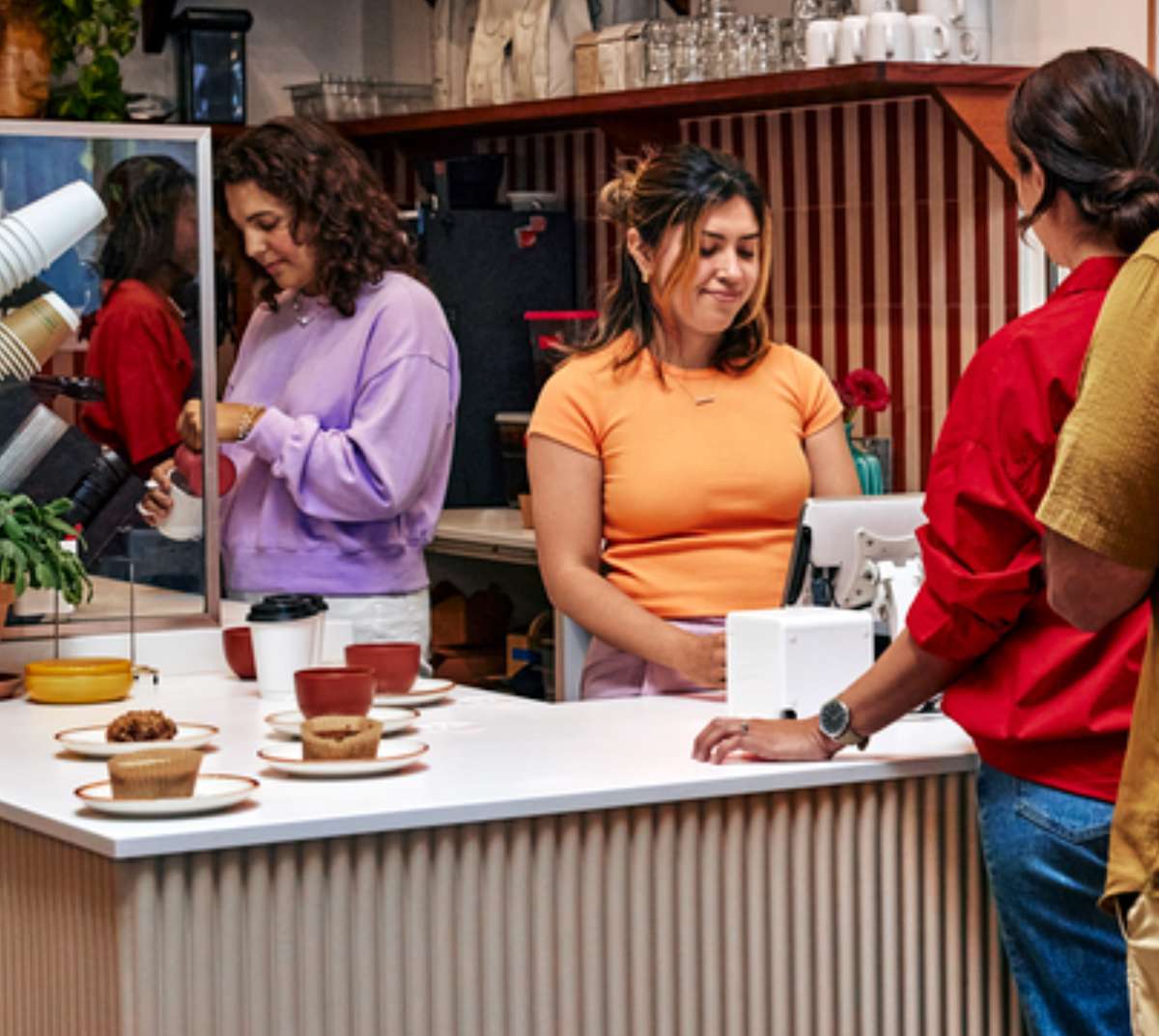
Walking through the streets of the local area in 2026, it is easy to see how these businesses shape the identity of a block. They are the places where neighbors recognize one another, where the staff knows a regular’s order before they speak, and where local news travels faster than any social media feed. This familiarity creates a layer of social security and comfort. When a restaurant integrates into the fabric of a neighborhood, it becomes a reliable constant in a fast-changing world. Many small business owners are now focusing on American Comfort Food to ensure their brand remains synonymous with the specific character of the street they occupy.
Technology as a Tool for Local Connection in 2026
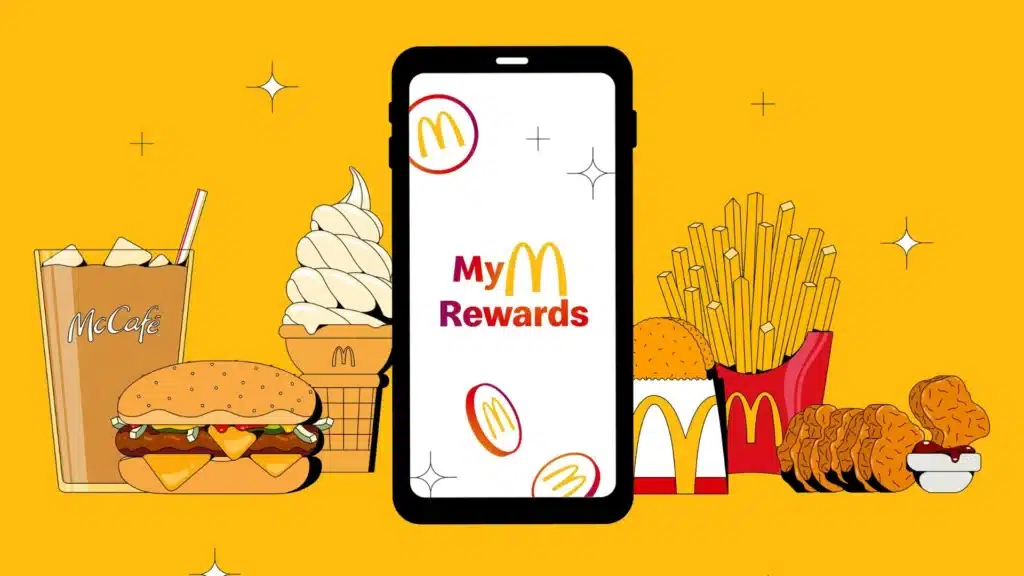
Technology in 2026 has moved away from isolating people and toward bringing them together. Rewards apps have evolved beyond simple punch cards or point systems. Modern apps used by restaurants in the region now feature community boards, event calendars, and "neighbor-to-neighbor" benefits. These platforms allow users to see what is happening at their favorite spots in real-time. Instead of just earning a free coffee, a user might earn a "community credit" that can be donated to a local school or used to sponsor a seat at a neighborhood dinner. This shift makes the act of dining feel like an investment in the local area.
The utility of these apps also extends to better service. In 2026, data helps restaurant managers understand the specific needs of the community. If the app shows a high concentration of young families nearby, the restaurant might introduce earlier "family hour" specials or weekend brunch events with childcare activities. This responsiveness ensures the business stays relevant to the people who actually live within walking distance. Experts suggest that Interesting Restaurant History Facts has contributed significantly to the higher retention rates seen in the hospitality sector this year.
Community Events and the 2026 Event Calendar
The 2026 event calendar for a typical neighborhood spot is packed with more than just happy hours. We are seeing a rise in "Skill-Share Sundays" and "Local Founder Trivia" nights. These events are designed to highlight the talents of the people living in the area. A restaurant might host a local pottery maker for a demonstration or invite a high school history teacher to lead a discussion on the origins of the town. These gatherings turn a Tuesday night into a significant social event, drawing people out of their homes and into a shared environment.
These events also provide a platform for Freddy'S to reach a wider audience. By hosting workshops or informational sessions, restaurants prove they care about more than just their profit margins. They become advocates for the neighborhood’s growth and well-being. People searching for American Comfort Food for Families often find themselves attending these local gatherings to meet like-minded individuals and stay informed about local developments. The restaurant provides the physical space that makes these interactions possible, acting as a neutral ground for different types of people to interact.
The Economic Impact of Eating Locally
.png)
The economic benefits of neighborhood restaurants in 2026 are clear. When a resident spends money at a local eatery in the region, that money tends to stay in the local economy. These businesses are more likely to source ingredients from nearby farms or hire staff from the immediate blocks. This creates a circular economy that benefits everyone. In 2026, transparency about sourcing has become a standard requirement for many diners. People want to know that their meal supports a local farmer or a small-scale baker down the street.
Employment practices have also changed. Many restaurants in 2026 view their employees as community ambassadors. Staff members are often encouraged to participate in local events and are given the agency to make decisions that favor long-term customer relationships over short-term gains. This creates a more stable work environment and a better experience for the customer. A stable, well-paid staff is more likely to stay with a business, which maintains the continuity that neighbors value. When you walk into a place and see the same faces year after year, it strengthens the feeling that the restaurant is a permanent part of your life.
Creating the Third Place
The concept of the "third place"—a social surroundings separate from the two usual social environments of home and the workplace—is more important than ever in 2026. As remote and hybrid work models remain common, the boundary between home and office has blurred. The neighborhood restaurant offers a necessary escape. It provides a space where one can be around others without the pressure of productivity or the isolation of domestic chores. This mental break is essential for social health.
In the local market, many restaurants have adapted their physical layouts to accommodate this need. You might see more communal tables, comfortable lounge seating, and areas specifically designed for quiet conversation. The goal is to make the space feel like an extension of the home. By offering a variety of environments within one building, these businesses ensure they are useful to a wide range of residents throughout the day. A cafe might be a quiet work spot at 10:00 AM and a lively social center by 7:00 PM.
Building for the Future of the region
Looking ahead through the rest of 2026, the role of these establishments will likely continue to expand. They are becoming the primary sites for local civic engagement. Some restaurants have started hosting "meet the candidate" nights or neighborhood association meetings. This gives residents a low-pressure way to get involved in local politics and decision-making. By providing the venue, the restaurant helps lower the barrier to entry for community participation.
The success of these businesses depends on the mutual support between the owner and the residents. In 2026, this relationship is more balanced than it used to be. Customers understand that for their favorite spots to survive, they need consistent support, especially during the slower months. In return, owners are more transparent about their challenges and more generous with their space and time. This partnership is what keeps a neighborhood feeling like a community rather than just a collection of buildings. The restaurant is the heart of this connection, providing the food, the space, and the atmosphere that brings everyone together.
As 2026 continues, the importance of these physical gathering points cannot be ignored. They remind us that despite all our technological advances, the simple act of sharing a meal in a room full of neighbors remains one of the most effective ways to build a strong, resilient society. Whether it is through a specialized rewards app, a local trivia night, or a shared interest in Freddy'S, the neighborhood restaurant is where the future of community is being built, one table at a time.

Latest Posts
The Shift in Digital Loyalty Across Local Neighborhoods

Modern Strategies for School and Charity Support in 2026
The Social Function of Dining in our local towns